Blog Details
Table of Contents
- Why Medical Laser Equipment Costs So Much
- Calculate Medical Laser Equipment Total Cost of Ownership
- Buying Versus Leasing Aesthetic Laser Equipment
- Explore Used and Refurbished Medical Laser Equipment
- Laser Equipment Financing for Clinics
- Laser Equipment Return on Investment for Clinics
- Reduce Operating Costs Without Compromising Treatment Quality
- Frequently Asked Questions
Last Updated: October 5, 2026
Why Medical Laser Equipment Costs So Much
Medical laser systems represent a significant investment for aesthetic clinics. Understanding why they’re expensive helps you make smarter purchasing decisions and identify where you can lower medical laser equipment costs without compromising care. (Source: Therapeutic Goods Administration (TGA))
Laser equipment is costly because of several factors working together. First, the technology itself is precision-engineered. These systems use advanced optics, computerised controls, and safety mechanisms that require years of research and development.
The real cost of ownership extends far beyond the purchase price. Most clinics underestimate operating expenses, which include energy consumption, replacement parts, service contracts, staff training, and downtime costs when equipment breaks.
At DermTech Devices, we help clinics understand the full financial picture before they commit to equipment.
Calculate Medical Laser Equipment Total Cost of Ownership
Total cost of ownership (TCO) is the true expense of owning equipment over its useful life. Most clinics focus only on purchase price, but TCO reveals what you’ll actually spend.
Upfront purchase cost
The initial purchase price is straightforward but often negotiable. New equipment typically costs more than used or refurbished alternatives. However, new systems come with full warranties and the latest technology.
When budgeting, ask suppliers for transparent pricing breakdowns. Some include installation and training in the quoted price; others charge these separately. Request a written quote that lists every cost component. This prevents surprises after you’ve committed.
Ongoing operating expenses
Operating costs run continuously and add up quickly. Energy consumption is one major factor. Laser systems draw significant power, especially during heavy treatment schedules. High-power devices can increase your electricity bills substantially.
Calculate monthly energy costs by checking the device’s power rating (measured in kilowatts) and your local electricity rates. A system drawing 5 kilowatts running 6 hours daily will consume more energy than one drawing 3 kilowatts.
Staff time is another operating expense. Operators need training to use equipment safely and effectively. Treatment time per patient affects how many patients you can see daily, which directly impacts revenue.
Maintenance, repairs and consumables
Maintenance costs vary widely depending on equipment type and usage intensity. Regular servicing keeps systems running reliably and extends their lifespan.
Consumable parts, such as cooling fluids, optical components, and wear items, require regular replacement. Some devices need consumables more frequently than others. Ask suppliers for a detailed breakdown of consumable costs and replacement intervals.
Unexpected repairs can be expensive. A device without proper maintenance may fail during peak treatment hours, causing lost revenue and patient cancellations. Preventative maintenance reduces breakdown risk and keeps your schedule predictable.
Buying Versus Leasing Aesthetic Laser Equipment
The decision to buy or lease depends on your practice size, cash flow, treatment volume, and risk tolerance. Each option has distinct advantages and drawbacks.
When to buy new
Buying makes sense when you have stable, predictable treatment demand and sufficient capital or financing options. New equipment comes with full warranties, the latest technology, and no usage restrictions. You own the asset, which builds equity in your practice.
New systems are ideal if you plan to keep equipment for 5+ years. Longer ownership periods justify the higher upfront cost because you spread expenses across more treatments.
Buying also works well when you need specific features that used equipment doesn’t offer. Newer technology sometimes enables treatments older devices cannot perform, potentially opening new revenue streams.
When to lease or hire
Leasing suits practices with uncertain demand, limited capital, or those wanting to test equipment before committing. Lease agreements typically include maintenance and support, which simplifies budgeting.
Equipment hire works for temporary needs or seasonal demand spikes. Some practices lease additional systems during peak periods, then return them during slower months. This flexibility prevents capital tied up in underutilised equipment.
Leasing also reduces risk. If a leased device underperforms or your patient demand changes, you’re not locked into ownership. This flexibility appeals to newer practices still determining which treatments drive revenue.
Explore Used and Refurbished Medical Laser Equipment
Used and refurbished equipment can significantly reduce capital expenditure. Understanding the difference between these categories helps you assess value and risk.
What refurbished means
Refurbished equipment has been returned to the manufacturer or authorised refurbisher, inspected, repaired, and tested to meet original specifications. The device is restored to like-new condition and typically carries a limited warranty.
Used equipment is sold as-is from previous owners. Condition varies widely. Some used systems have been well-maintained; others may have hidden problems. Used equipment typically carries no warranty or a very limited one.
Refurbished devices offer a middle ground. They cost less than new but provide more certainty than used equipment. A reputable refurbisher tests all components, replaces worn parts, and verifies safety compliance before resale.
Safety and warranty considerations
Safety is non-negotiable with medical equipment. Refurbished systems from authorised refurbishers meet safety standards and come with documentation proving this. Used equipment may not have been properly serviced, and safety history is often unknown.
Always ask for a refurbished device’s service history and warranty terms. How long is the warranty? What does it cover? Can you contact the refurbisher if problems arise?
Inspect any used equipment in person before purchasing. Ask the seller to demonstrate that it operates correctly. If the seller cannot provide this, the risk of hidden problems increases significantly. (Source: total cost of ownership (TCO) analysis)
Laser Equipment Financing for Clinics
Equipment loans and payment plans make purchasing more accessible without depleting cash reserves. Understanding financing options helps you preserve working capital for other practice needs.

Equipment loans and payment plans
Equipment loans from banks or specialist medical equipment financiers spread costs over 3-7 years. Monthly payments are predictable, making budgeting easier. Interest rates depend on your creditworthiness, loan term, and the lender.
Some equipment suppliers offer in-house financing or partner with lenders to provide attractive rates. These arrangements sometimes include maintenance coverage or upgrade options. Compare supplier financing against bank loans, rates and terms vary significantly.
Payment plans with suppliers may offer lower interest rates than traditional loans. Some include equipment trade-in options, allowing you to upgrade to newer technology at the end of the agreement.
What lenders require
Lenders typically require proof of business income, a solid credit history, and sometimes personal guarantees. They want to see that your practice generates sufficient revenue to cover loan payments. Established practices with consistent patient flow qualify more easily.
Newer practices or those with variable income may face higher interest rates or require a larger down payment. Some lenders require you to pledge equipment as collateral. Understand all terms before signing, early repayment penalties or equipment ownership restrictions can affect your flexibility.
Laser Equipment Return on Investment for Clinics
Understanding return on investment (ROI) helps you evaluate whether equipment purchases will strengthen your practice financially. ROI analysis shows how long it takes for equipment to pay for itself through increased revenue.
Calculate payback period
Payback period is the time needed for equipment revenue to cover its total cost. Calculate this by dividing total equipment cost (including installation, training, and initial consumables) by the net monthly profit generated from treatments using that equipment.
For example, if a laser system costs £50,000 and generates £2,500 net monthly profit, the payback period is 20 months. After 20 months, the equipment has paid for itself. Revenue beyond that point is profit.
Payback periods typically range from 12-36 months for aesthetic laser equipment, depending on treatment demand, pricing, and operating costs. Shorter payback periods indicate stronger ROI.
Match equipment to clinic demand
Equipment ROI depends heavily on utilisation. A system sitting idle generates no revenue. Before purchasing, honestly assess whether your patient base demands the treatments that equipment enables.
If you currently perform 5 laser treatments weekly and the new system enables 20 treatments weekly, calculate whether demand exists for those additional treatments. Market research, patient surveys, and competitor analysis help answer this question.
Equipment suited to your patient demographics performs better. A system designed for treating lighter skin tones in a practice serving primarily darker skin tones may underperform. Ensure the technology matches your patient population’s needs.
Reduce Operating Costs Without Compromising Treatment Quality
Strategic choices in energy efficiency, staff utilisation, and maintenance planning help lower medical laser equipment costs while maintaining quality and reducing expenses.
Energy efficiency and downtime
Energy-efficient systems reduce electricity costs without sacrificing performance. Newer devices often consume less power than older models while delivering equivalent or superior results. When evaluating equipment, compare power consumption specifications alongside performance metrics.
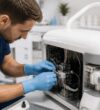
Downtime is costly. When equipment breaks, you lose treatment revenue and risk disappointing patients. Preventative maintenance reduces breakdowns significantly. Regular servicing catches problems before they become failures, keeping your schedule predictable and revenue stable.
Plan for scheduled maintenance during slower periods. If your practice experiences seasonal demand fluctuations, schedule major servicing during low-traffic months. This approach minimises revenue loss from downtime.
Staff training and utilisation
Well-trained staff operate equipment more efficiently and safely. Invest in comprehensive training, not just basic operation. Staff who understand device capabilities, safety protocols, and troubleshooting deliver better patient outcomes and identify equipment problems early.
Efficient scheduling maximises equipment utilisation. Group similar treatments to minimise setup time between patients. Stagger appointments to keep equipment running throughout operating hours. Higher utilisation spreads fixed costs across more treatments, reducing cost per patient.
Cross-train staff on multiple devices if your practice uses several systems. Flexibility in staffing reduces scheduling conflicts and ensures equipment gets used consistently.
Service contracts and preventative maintenance
Service contracts provide predictable maintenance costs. Rather than paying for repairs as they occur, you pay a fixed annual fee covering routine servicing and repairs. This approach budgets maintenance expense reliably and often costs less than paying for repairs individually.
Preventative maintenance extends equipment lifespan. Systems that receive regular servicing last longer and perform more consistently. The cost of preventative maintenance is typically far less than the cost of emergency repairs or premature equipment replacement.
Ask suppliers about maintenance options before purchasing. Some include maintenance in lease agreements; others charge separately. Factor maintenance costs into your total cost of ownership calculations.
Lowering medical laser equipment costs requires a strategic approach that balances upfront investment, ongoing expenses, and long-term value. Our multi-modality laser platforms and next-generation skin analysis systems are designed for both performance and cost-effectiveness, helping you deliver excellent results without excessive expense.
Frequently Asked Questions
How can a clinic reduce the cost of buying medical laser equipment?
Start by calculating total cost of ownership across five years, including maintenance and consumables, not just the upfront price. Consider refurbished equipment from reputable suppliers with proper warranties. Compare leasing versus purchasing based on your clinic’s utilisation rate. Negotiate service contracts separately from equipment purchase. Choose multi-modality systems that consolidate multiple treatments into one platform, reducing the number of devices needed. Ensure staff training is thorough to maximise equipment utilisation and minimise downtime.
Is it cheaper to lease or buy aesthetic laser equipment?
Leasing suits clinics with lower treatment volumes, limited capital, or those wanting to upgrade frequently. Monthly lease payments are predictable and often include maintenance. Buying makes financial sense for high-volume clinics with strong patient demand and stable cash flow, as the equipment becomes an asset. Calculate your clinic’s break-even point: if you’ll use the laser intensively for five or more years, buying typically offers lower total cost of ownership. Leasing preserves cash flow but costs more over time if utilisation is high.
What ongoing costs should clinics budget for with medical laser equipment?
Beyond the purchase or lease payment, budget for maintenance contracts (typically 10-15% of equipment cost annually), replacement consumables like handpieces and filters, energy consumption, staff training and certification updates, and potential repair costs if equipment is not under warranty. Service response time varies by contract: faster response (24-48 hours) costs more than standard response (5-7 days). Downtime during repairs affects revenue, so factor that into your decision. Medical-grade equipment requires compliance with relevant Australian standards and regular calibration checks.
Can clinics buy refurbished medical laser equipment?
Yes, refurbished equipment from accredited suppliers can reduce costs significantly. Refurbished means the device has been professionally restored to meet manufacturer specifications and typically includes a warranty (often 1-2 years). Verify the supplier’s credentials, ask for service history, and confirm the warranty covers parts and labour. Ensure the device meets current Australian safety standards and has been properly recertified. Refurbished equipment carries more risk than new, so prioritise suppliers with strong reputations and transparent quality assurance processes.