Blog Details
Table of Contents
- Why Small Clinics Need Affordable Laser Platforms
- Multi-Modality Laser Platforms: Consolidating Treatment Capabilities
- Understanding Aesthetic Laser Machine Cost and Total Ownership
- Laser Equipment Financing for Clinics: Options and Pathways
- Laser Platform Buying Checklist: What to Evaluate
- Safety, Regulation, and Clinical Evidence
- Making the Investment Decision
- Frequently Asked Questions
Last Updated: October 12, 2026
Why Small Clinics Need Affordable Laser Platforms
Running a small aesthetic clinic means balancing quality treatment outcomes with real budget constraints. You want to expand your service offerings, but investing in medical-grade laser equipment feels like a leap into the unknown. The truth is, affordable laser platforms for small clinics are no longer a compromise between cost and capability, they’re a strategic decision that directly impacts your practice’s growth.
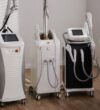
Multi-modality laser systems consolidate what would otherwise require three or four separate machines. Instead of dedicating clinic space to individual devices for hair removal, skin rejuvenation, and pigmentation treatment, a single platform handles multiple applications. For a small practice with limited square footage and capital, this efficiency matters. You’re not just buying equipment; you’re buying flexibility to serve more patient needs without the overhead of standalone machines.
The real challenge isn’t finding affordable options, it’s understanding what you’re actually paying for. Equipment cost is only one piece of the puzzle. Maintenance, consumables, staff training, and ongoing clinical support add up quickly. A platform that looks cheap upfront can become expensive within 18 months if you haven’t factored in the full cost of ownership.
The pattern is always the same: practices that plan for total ownership costs, not just purchase price, make better investment decisions and see faster returns on their equipment investment.
Multi-Modality Laser Platforms: Consolidating Treatment Capabilities
A multi-modality laser platform combines multiple wavelengths and treatment modalities into a single system, allowing practitioners to address diverse patient needs without switching between machines. This consolidation is particularly valuable for small clinics where space and capital are limited.
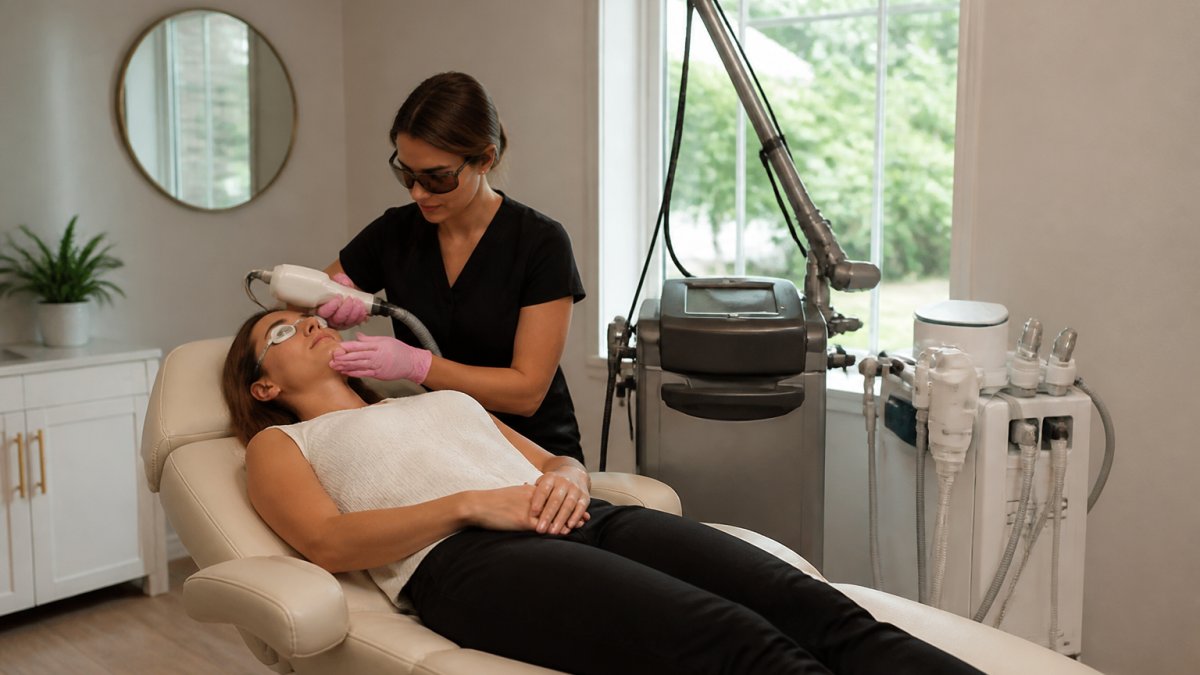
The core advantage is operational efficiency. A single platform that handles hair removal, vascular lesions, pigmented lesions, and skin rejuvenation eliminates the need for separate equipment, separate training protocols, and separate maintenance contracts.
For aesthetic practitioners, multi-modality systems also expand the range of conditions you can treat in-house. Rather than referring patients elsewhere for specific concerns, you retain the full treatment pathway. This improves patient satisfaction and increases revenue per customer by keeping ancillary services within your practice.
The technology behind multi-modality platforms typically involves multiple laser or light sources, often combining Nd:YAG, alexandrite, and diode wavelengths, each optimised for different tissue interactions. This allows customisation of treatment parameters based on skin type, condition, and desired outcome.
When evaluating multi-modality systems, consider treatment versatility alongside footprint. A compact platform that handles four treatment modalities takes up less space than four standalone machines but delivers comparable clinical capability. For small clinics, this spatial efficiency directly translates to cost savings and improved workflow.
Understanding Aesthetic Laser Machine Cost and Total Ownership
The purchase price of an aesthetic laser platform is only the beginning of your investment. Understanding total cost of ownership over five years helps you make an informed decision and avoid budget surprises.
Equipment Acquisition and Installation
The upfront cost of an affordable laser platform varies depending on specifications, brand, and whether you purchase new or refurbished equipment. Rather than quoting a specific range, which changes with supplier pricing and market conditions, we recommend requesting quotes directly from equipment providers and comparing specifications alongside price.
Installation typically requires dedicated electrical infrastructure, proper ventilation, and sometimes structural modifications to your clinic space. These costs are often overlooked during initial budgeting. A professional installation ensures the system operates safely and reliably, so budget for qualified technician time and any facility upgrades your clinic requires.
New equipment generally comes with manufacturer warranties covering defects and performance standards. Refurbished systems may carry shorter warranty periods but can significantly reduce upfront capital requirements. Both options are viable for small clinics; the choice depends on your cash flow situation and risk tolerance.
Maintenance, Consumables, and Service Agreements
After purchase, ongoing costs typically include annual service contracts, replacement parts, and consumables like handpieces or cooling systems. Service agreements vary widely, some providers bundle maintenance into annual fees, whilst others charge per service call. Consumables like water for cooling systems and handpiece replacements add recurring expenses that many clinics underestimate.
A typical service contract covers preventative maintenance, repair parts, and technical support. Without a service agreement, a single equipment failure can cost thousands in emergency repairs and lost treatment revenue whilst the system is out of service. For small clinics operating on tight margins, this risk argues strongly for including service contracts in your total cost calculation.
Ask potential suppliers for a detailed breakdown of consumable costs and replacement schedules. Some platforms use proprietary consumables that are expensive and only available from the manufacturer; others use industry-standard components that may be sourced more cost-effectively. This difference compounds significantly over five years.
Staff Training and Clinical Support
Quality training directly affects how effectively your team uses the equipment and how quickly you recoup your investment. Initial training typically covers safety protocols, patient assessment, treatment planning, and hands-on operation. Many suppliers offer onsite training during installation, but ongoing support matters equally.
Clinical support includes access to treatment guidelines, troubleshooting assistance, and updates on new treatment protocols. Some providers offer webinars or online resources; others provide direct access to clinical specialists. For a small practice, having reliable support available when you encounter an unfamiliar patient presentation or technical question can prevent costly mistakes.
Budget for staff time during training, your practitioners aren’t generating revenue whilst learning the system. Depending on your team’s experience with laser equipment, expect initial training to require several hours per practitioner. Follow-up training as new treatment indications emerge or staff turnover occurs should also be factored into your ongoing support costs.
Laser Equipment Financing for Clinics: Options and Pathways
Most small clinics cannot pay for equipment outright. Understanding financing options helps you preserve cash flow whilst acquiring the technology you need.
Equipment financing through medical device lenders allows you to spread the cost over three to five years, typically with fixed monthly payments. Interest rates and terms vary based on your clinic’s financial profile and creditworthiness. This approach preserves working capital and aligns equipment payments with the revenue the equipment generates.
Lease-to-own arrangements provide another pathway. You lease the equipment for a fixed term with the option to purchase at the end. This structure allows you to upgrade to newer technology without being locked into older equipment, and it may offer tax advantages depending on your practice structure. Discuss lease terms carefully, some agreements include service and maintenance, whilst others place those costs on you. (Source: guidelines for medical device regulation)
Refurbished or pre-owned equipment can reduce capital requirements significantly. Reputable suppliers refurbish systems to manufacturer specifications and often provide warranties comparable to new equipment. For clinics prioritising affordability, refurbished platforms offer a practical entry point into multi-modality treatment capability.
Supplier financing programs offered directly by equipment manufacturers sometimes provide competitive terms if you meet their credit criteria. These programs may include promotional rates or deferred payment options during the initial months, giving you time to generate revenue from the equipment before payments begin.
Laser Platform Buying Checklist: What to Evaluate
Before committing to an equipment purchase, systematically evaluate platforms against your clinic’s specific needs and constraints.
Treatment capability and versatility: Does the platform address the conditions your patients most commonly present with? Can it handle diverse skin types safely?
Footprint and clinic integration: Measure your available space carefully. Request exact dimensions from the supplier, including space needed for patient positioning and practitioner movement.
User interface and learning curve: Spend time with the system during a demonstration. Is the interface intuitive for your team’s technical skill level? Can experienced practitioners quickly adjust treatment parameters, or is the system overly complex?
Safety features and regulatory compliance: Verify that the platform meets relevant Australian standards and regulatory requirements. Ask about built-in safety interlocks, emergency stop functions, and eye protection systems.
Service and support availability: Can the supplier provide timely service if the system requires repair? Is technical support available during your clinic hours? What is the typical response time for urgent issues?
Supplier reputation and longevity: Research the supplier’s track record. How long have they been in business? Do they have established relationships with clinics similar to yours?
Total cost of ownership: Request detailed quotes covering purchase price, installation, annual service, expected consumable costs, and staff training. Calculate the five-year total cost for each platform you’re seriously considering.
Safety, Regulation, and Clinical Evidence
Medical-grade laser equipment operates under strict safety and regulatory requirements. Understanding these requirements protects your patients and your practice.
In Australia, aesthetic laser devices are regulated as medical devices. The Therapeutic Goods Administration (TGA) oversees classification and approval of devices intended for therapeutic or cosmetic use. Equipment used in your clinic should carry appropriate TGA approval or be imported under valid pathways.
Clinical evidence supporting treatment efficacy and safety is essential. Request published studies or clinical data demonstrating outcomes for the specific conditions you plan to treat. Evidence should come from peer-reviewed sources and include information about patient populations treated, treatment parameters used, and adverse event rates. Anecdotal reports or marketing claims alone are insufficient basis for clinical decisions.
Safety protocols specific to laser equipment include proper eye protection for patients and staff, skin type assessment before treatment, and documentation of informed consent. Your team should receive comprehensive training on these protocols as part of equipment onboarding. DermTech Devices prioritises safety and clinical evidence in every platform we recommend.
Adverse events, though uncommon with proper technique, can occur. Burns, hyperpigmentation, and hypopigmentation are possible outcomes if treatment parameters are inappropriate for a patient’s skin type or condition. Your team needs training to recognise risk factors and adjust treatment accordingly. Reliable clinical support helps your practice navigate complex cases and minimise adverse outcomes.
Making the Investment Decision
The decision to invest in an affordable laser platform should integrate financial planning, clinical capability assessment, and operational readiness.
Start by clearly defining the clinical problems you want to solve. What patient needs are currently unmet in your practice? Are you referring patients elsewhere for specific treatments? Which conditions do your patients most frequently ask about?
Next, assess your practice’s financial capacity. Calculate how much revenue the new equipment must generate to justify the investment.
Evaluate your team’s readiness. Do your practitioners have experience with laser equipment, or will this be their first system? More experienced teams typically achieve faster proficiency and generate revenue more quickly.
Create a detailed implementation plan covering installation timeline, staff training schedule, marketing to existing patients, and patient safety protocols. A well-planned rollout generates better outcomes than rushing equipment into service before your team is properly prepared.
Finally, choose a supplier who understands small clinic operations and provides the support you need. DermTech Devices offers medical-grade technology designed for affordability and reliability. We understand the constraints of small operations and design our approach to support your long-term growth.
Investing in affordable laser platforms for small clinics is a significant decision, but it’s one that positions your practice for sustainable growth.
Frequently Asked Questions
What should a small clinic look for in an affordable laser platform?
Prioritise multi-modality platforms that deliver multiple treatment capabilities in one system, reducing overall equipment costs. Evaluate clinical performance, ease of use for your team, reliability and after-sales support. Consider whether the platform integrates with your practice management software and whether the supplier offers flexible financing. Request references from similar-sized clinics and confirm the vendor provides ongoing training and responsive technical support.
How does laser equipment financing for clinics work?
Clinics can finance laser platforms through equipment leasing, hire-purchase agreements, or bank loans. Leasing spreads costs over time and often includes maintenance, whilst hire-purchase builds equity in the asset. Some suppliers offer in-house financing or partner with medical equipment finance providers. Compare total interest costs and terms carefully, as financing decisions significantly affect your five-year cost of ownership. Always factor in maintenance, training, and consumables when calculating the true financial commitment.
Is a multi-modality laser platform more cost-effective than buying separate devices?
Yes, for most small clinics. Multi-modality platforms consolidate multiple treatment capabilities into one system, reducing capital expenditure, space requirements, and staff training time. You avoid purchasing separate devices for different applications and eliminate duplicate maintenance contracts and consumable costs. However, ensure the platform meets your specific clinical needs and that you have sufficient patient volume to justify the investment across all treatment modalities.
What ongoing costs should I budget for when buying laser equipment?
Budget for service agreements, replacement consumables such as handpieces and cooling fluid, staff training and continuing education, and calibration or safety inspections. Establish a maintenance reserve for unexpected repairs. Request a detailed breakdown from your supplier so you can forecast cash flow accurately and avoid budget surprises.