Blog Details
Last Updated: November 14, 2026
Quick Summary
You can finance aesthetic laser equipment through a chattel mortgage or equipment loan, a finance lease, or a lease-to-own arrangement. Choose by working out what the device must earn each month, then compare the total cost of each offer rather than just the monthly repayment.
- Decide first how many treatment sessions each month the equipment must support to cover repayments.
- A loan gives ownership from day one, while a finance lease keeps legal title with the lender.
- Compare the total amount payable and end-of-term costs, not just the monthly repayment.
- Check who pays for maintenance, calibration, repairs and insurance before signing a lease.
- Verify service history and calibration before financing used equipment.
Table of Contents
- Why Financing Aesthetic Laser Equipment Needs a Plan
- Comparing Loans, Leases and Lease-to-Own Options
- Aesthetic Laser Equipment Leasing: What to Check in the Contract
- Financing Used Aesthetic Laser Equipment: Due Diligence First
- Using a Repayment Calculator to Test Affordability
- Preparing Your Finance Application and Documents
- Your Next Step: Getting a Quote From DermTech Devices
- Frequently Asked Questions
Why Financing Aesthetic Laser Equipment Needs a Plan
A laser platform is one of the largest purchases a clinic makes, and the way you pay for it can shape your cash flow for years. Before you compare lenders, decide what the equipment must do for your practice, how many treatments it needs to support each month, and how much monthly outlay your clinic can carry comfortably. Financing that looks affordable on paper can still strain a quiet month. (Source: Australian Taxation Office guidance on depreciating assets)
Many clinic owners start by asking which lender will approve them fastest. A better first question is what the equipment will earn. Work out the treatments it will support, the fees you will charge, and the number of sessions needed each month to cover repayments. Once you know that figure, the choice between a loan, a lease and a lease-to-own arrangement becomes far clearer.
Treat finance aesthetic laser purchases as a business decision, not a paperwork exercise. Clinics that plan the repayment before they sign are generally better placed to keep their equipment working for them, rather than becoming dependent on it.
Comparing Loans, Leases and Lease-to-Own Options
The three main routes work differently, and the differences matter most at the end of the term rather than at the start. A chattel mortgage or equipment loan gives you ownership from day one, with fixed repayments over an agreed term and the equipment usually acting as security. A finance lease spreads payments over a set period while the lender keeps legal title, and you typically return the equipment or refinance at the end. A lease-to-own or hire-purchase arrangement lets you take ownership once the final payment or option fee is paid, often set out in the schedule upfront.
Each structure suits a different clinic. Ownership matters if you plan to keep the device for its full working life and want to depreciate it. Lower upfront outlay matters if you need to preserve cash for staff, rent and marketing. A lease can suit a clinic that upgrades platforms every few years and does not want the resale risk. Lease-to-own sits between the two, giving a path to ownership without a large deposit.
Most clinics compare monthly repayments and stop there. That is the wrong number to anchor on. Ask each provider for a written offer that shows the amount financed, the interest rate or comparison rate, the term, the deposit, the establishment fee, any monthly or annual account fees, the balloon or residual payment, and the total amount payable over the term. Add the end-of-term cost, the residual, the purchase option fee, or the cost of returning the equipment in the required condition, so you are comparing the full cost of each route, not just the cash-flow shape.
A worked comparison makes the trade-off concrete. Suppose a platform is quoted at an illustrative price and you finance the full amount over a multi-year term. A loan at a lower rate with no balloon might show a higher monthly repayment but a lower total cost. A lease with a residual payment might show a lower monthly repayment but a larger final payment and a higher total cost once fees are added. Neither is automatically better; the right choice depends on how long you will keep the device and whether you want to own it at the end. Ask each lender to quote on the same amount, term and deposit so the comparison is like for like.
Watch out: a headline rate can hide an establishment fee, a broker fee or a residual that only appears in the schedule. Compare the comparison rate where one is offered, and read the total amount payable line before you sign.
Treat the monthly repayment as only one number. Compare the total cost, the term length, whether the agreement includes insurance or servicing, and what happens if you want to upgrade early. Interest rates, fees and deposit requirements vary between lenders and change over time, so confirm current terms directly with each provider. For current prices of our platforms, contact DermTech Devices for a quote, as pricing depends on configuration, quantity and delivery.
The three main financing routes differ mainly in who holds ownership and what the final cost looks like.
| Option | Ownership | Best for |
|---|---|---|
| Chattel mortgage / equipment loan | You own it from day one | Keeping the device for its full working life |
| Finance lease | Lender keeps legal title | Clinics that upgrade platforms every few years |
| Lease-to-own / hire purchase | You own it after the final payment or option fee | A path to ownership without a large deposit |
Aesthetic Laser Equipment Leasing: What to Check in the Contract
Leasing agreements are where many clinics find unexpected costs, so read the contract closely when you finance an aesthetic laser. Read the schedule of payments, the end-of-term options and any clauses on early termination before you sign. A lease that looks flexible can carry charges for ending it early or for returning equipment that is not in the agreed condition.
Check who is responsible for maintenance, calibration and repairs during the lease. Some agreements bundle these costs, while others leave them with you. Confirm whether the device can be upgraded mid-term and what that would cost. Ask how insurance is handled and whether the lessor must be named on your policy.
Finally, confirm the end-of-term position in writing. Some leases end with the equipment returned, some offer a purchase at a fixed price, and some roll into a new agreement. Understanding which applies helps you plan the next stage of your clinic’s equipment budget. (Source: ASIC’s Moneysmart guide to business loans)
Financing Used Aesthetic Laser Equipment: Due Diligence First
Used equipment can lower your upfront cost, but it adds risk that financing alone cannot fix. Before you apply for finance on a second-hand device, ask for its service history, the date of its last calibration, and confirmation that it can still be supported by the manufacturer or a qualified service provider. Our buyer’s guide to medical grade laser platforms for sale covers what to check in each case. A lender will often want this documentation as well.
Inspect the device or have it inspected by a qualified technician. Check the handpieces, the cooling system, the touchscreen and the software version. A low purchase price can be cancelled out quickly by a replacement handpiece or a repair that keeps the device out of service for weeks.
Ask whether the seller can provide the equipment’s original documentation, and whether any warranty applies. If the device is refurbished, find out what work was done, by whom, and whether the refurbishment is covered by a written guarantee.
Using a Repayment Calculator to Test Affordability
A repayment calculator tells you what a finance package costs each month. It does not tell you whether your clinic can carry it. To answer that, build a simple break-even model alongside the calculator, using your own treatment prices and realistic utilisation rather than best-case assumptions.
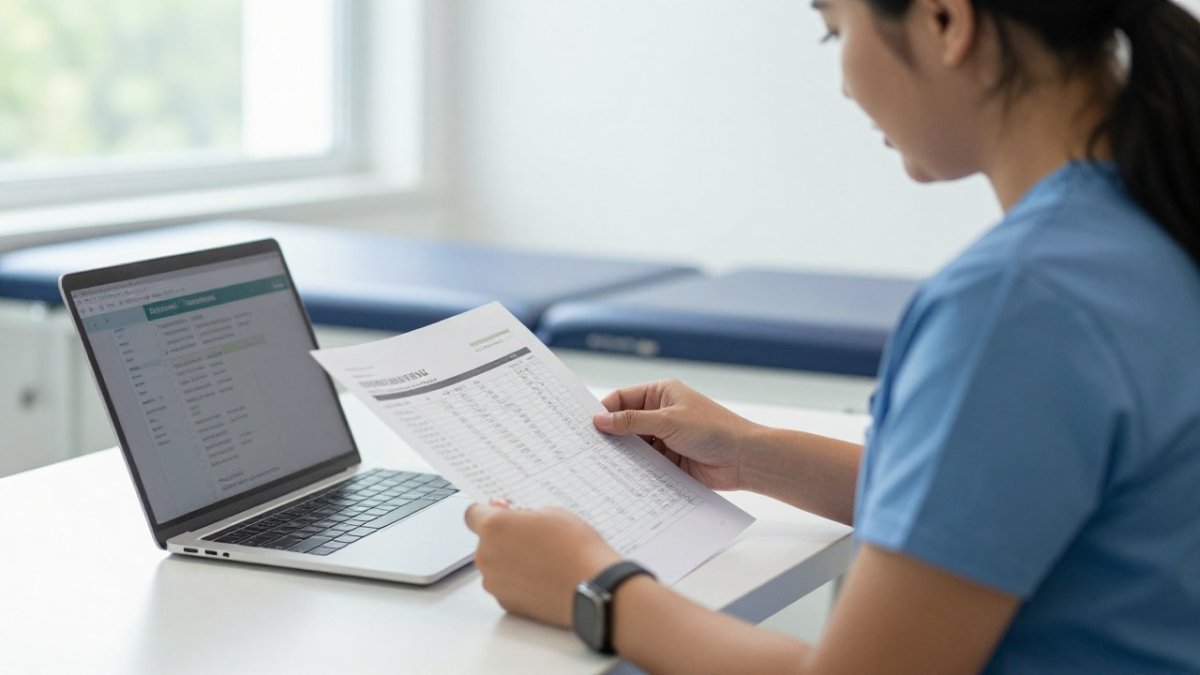
Start with the finance side. Enter the amount financed, the interest rate or comparison rate quoted by the lender, the term in months and any balloon or residual payment. The result is the monthly repayment. Add the ongoing costs the lender does not include: consumables per treatment, servicing and calibration, insurance, and any software or licensing fees. That gives you a true monthly cost of ownership, not just a repayment figure.
Then model the revenue side. Estimate the number of treatment sessions the device can realistically deliver each month, allowing for booking gaps, staff leave and downtime. Multiply by your average fee per session, net of any consumables you supply. Divide the true monthly cost by the contribution per session to get the number of sessions needed each month to break even. If that number is close to your realistic capacity, the package is too tight.
Run the model three times: a best-case month, a typical month and a slow month. A common pattern is that repayments only work when every slot is booked, which leaves no buffer for staff costs, rent, marketing or a quiet quarter. Build in a margin so a slow month does not put the repayment at risk.
Use the calculator to compare structures, not just prices. A longer term lowers the monthly repayment but usually increases the total cost. A balloon payment lowers the monthly figure but leaves a lump sum at the end that must be planned for. Seeing the monthly repayment, the total amount payable and the break-even session count side by side makes the trade-off clear. Lenders’ calculators and the figures they quote should be checked against the written agreement before you commit.
Preparing Your Finance Application and Documents
Lenders generally ask for evidence that your clinic can meet repayments. Prepare recent business bank statements, financial accounts or management reports, a copy of the supplier’s quote, and details of your registrations and professional qualifications.
Describe the purpose of the equipment clearly. Explain which treatments it will support, how many sessions you expect each month, and how the device fits your existing services. A clear, realistic plan reads more credibly than an optimistic one.
Keep copies of everything you submit. Respond quickly to information requests, and ask the lender to confirm the approval conditions, the settlement date and what documentation will be needed at delivery. For a tailored quote and help matching a platform to your practice, contact DermTech Devices directly.
Your Next Step: Getting a Quote From DermTech Devices
Financing an aesthetic laser is a commitment that should be tested against real numbers before you sign. Compare the structures, read the contract, check used equipment carefully and run the repayments under realistic conditions.
If you are ready to compare platforms, contact DermTech Devices for a quote and talk through how the equipment would fit your treatment mix and budget. Contact DermTech Devices to discuss configuration options and ask your questions before you choose a financing route.
Frequently Asked Questions
How can a clinic finance aesthetic laser equipment?
Clinics typically finance laser equipment through a commercial equipment loan, an operating lease, or a lease-to-own arrangement. Each structure spreads the cost over a set term, but ownership, end-of-term obligations and total cost differ. Compare written offers side by side, including interest or finance charges, fees, any balloon payment and what happens at the end of the term. Pricing and terms depend on the lender, the equipment and your business profile, so request a written quote from the financing provider and DermTech Devices before deciding.
Is it better to lease or buy an aesthetic laser machine?
Buying through a loan usually means you own the machine from the start and can claim depreciation, but you carry the full cost and the asset risk. Leasing often keeps upfront costs lower and makes it easier to upgrade, though you may not own the equipment at the end unless you choose an end-of-term purchase. Consider how long you expect to use the machine, how quickly the technology may change, and your cash flow. Speak to your accountant about tax treatment in Australia before choosing.
Can a clinic finance used aesthetic laser equipment?
Some lenders will finance used or refurbished equipment, but terms can be shorter and approval criteria stricter because the asset’s residual value is harder to predict. Before applying, confirm the service history, the age of the unit, whether the manufacturer still supports it, and that spare parts are available. A lender may ask for an independent valuation or quote. Ask the supplier for documentation and verify that the equipment is compliant with the regulatory requirements that apply to your clinic.
What should a clinic compare when reviewing equipment finance offers?
Compare the total amount payable over the full term, not only the monthly repayment. Check the interest rate or finance charges, establishment and account fees, the length of the term, any deposit or upfront payment, and any end-of-term purchase option or balloon payment. Ask whether repayments can be paid early without penalty and what happens if a payment is missed. Use the same loan amount and term for each offer so you can compare them accurately.